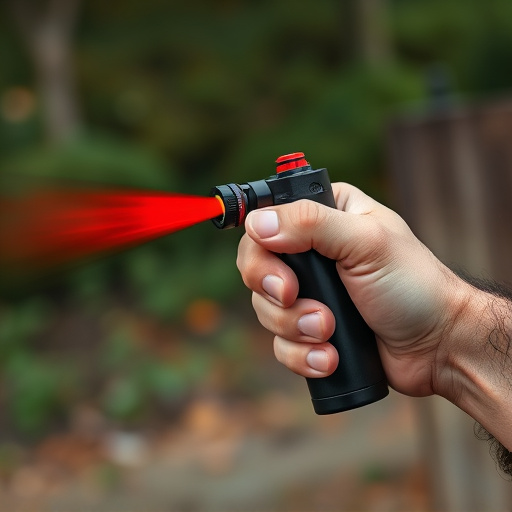
Pepper spray, a key tool for law enforcement, has advanced formulations that remain effective even in wet conditions, like rain. The active ingredient, capsaicin from chili peppers, irritates nerve endings. Modern designs resist water penetration, making it suitable for outdoor operations. However, rain dilutes the spray and reduces its range, challenging riot control. Effective deployment requires understanding environmental factors, dispenser quality, and training. Balancing crowd control with rights protection is crucial, as debates continue over pepper spray's use and ethics, especially in rainy conditions.
“Uncovering the intricacies of pepper spray technology, this article delves into the science behind non-lethal riot control agents. With a focus on understanding how weather conditions, particularly rain, impact pepper spray effectiveness, we explore key factors influencing its range and accuracy.
Additionally, we scrutinize safety measures for law enforcement and protestors, while weighing the legal and ethical implications of deploying pepper spray in public spaces, especially considering its efficacy in rainy conditions.”
- Understanding Pepper Spray Technology
- The Impact of Rain on Pepper Spray Effectiveness
- Factors Affecting Pepper Spray Range and Accuracy
- Safety Considerations for Law Enforcement and Protestors
- Legal and Ethical Implications of Using Pepper Spray in Public Spaces
Understanding Pepper Spray Technology
Pepper spray, a popular riot control agent, has evolved significantly over time. Its effectiveness lies in its ability to incapacitate individuals by causing irritation and temporary blindness, making it a valuable tool for law enforcement and security personnel. The technology behind pepper spray involves the use of capsaicin, the active ingredient found in chili peppers, which is sprayed as an aerosol. This substance binds to nerve endings in the eyes and respiratory system, leading to intense irritation and coughing fits.
One intriguing aspect of pepper spray’s functionality is its performance in various weather conditions, including rain. Contrary to some beliefs, pepper spray maintains its effectiveness even when wet. Advanced formulations are designed to resist water penetration, ensuring that the active ingredients remain intact and potent. This property makes it a reliable choice for outdoor law enforcement operations, where officers may encounter rainy conditions during crowd control scenarios.
The Impact of Rain on Pepper Spray Effectiveness
The effectiveness of pepper spray, a common tool used by law enforcement and riot control personnel, can be significantly influenced by rain. When deployed during wet conditions, the active ingredients in pepper spray may not adhere to targets as intended, leading to reduced efficacy. Rainwater acts as a diluent, potentially washing away the irritant chemicals before they can fully impact the eyes, respiratory system, or skin of the targeted individuals.
Additionally, the misting effect created by raindrops can dissipate the pepper spray particles more quickly, causing them to spread out and lose their concentration. This phenomenon can make it harder for the intended subjects to experience the full effect of the spray, making riot control scenarios in rainy weather more challenging. As such, law enforcement agencies must consider these factors when deploying pepper spray and explore alternative tactics or adjustments to maintain optimal effectiveness during wet conditions.
Factors Affecting Pepper Spray Range and Accuracy
The effectiveness of a pepper spray dispenser, and its range and accuracy, is influenced by several key factors. One significant variable is environmental conditions, notably weather. In particular, the performance of pepper spray in rain can vary dramatically. Rain can affect both the dispersion of the spray and its impact on the target. Water droplets can disrupt the fine mist of pepper spray, causing it to lose precision and reduce its effective range. However, rain also provides some natural protection for bystanders due to the dilution effect, making it less likely for the spray to cause unintended harm.
Another critical factor is the design and quality of the dispenser itself. Modern riot control spray devices are designed with advanced mechanisms to ensure accurate deployment even in challenging conditions. These include improved nozzles, pressure regulation systems, and ergonomic designs that allow officers to aim effectively despite protective gear or tight spaces. Additionally, factors like temperature can also play a role; colder temperatures may slightly affect the viscosity of the pepper spray solution, impacting its discharge characteristics.
Safety Considerations for Law Enforcement and Protestors
When it comes to safety considerations for both law enforcement and protestors, the use of inflammatory riot control spray dispensers raises important questions, especially in challenging weather conditions like rain. While pepper spray is designed to disrupt and incapacitate individuals through irritation and temporary blindness, its effectiveness can be impacted by water. In wet environments, the spray’s chemical composition may dilute, reduce its range, and lessen the impact on targeted individuals, potentially rendering it less effective for crowd control. This is particularly relevant when considering protests or riots that occur outdoors, where weather conditions are unpredictable.
For law enforcement agencies, training and protocols must address these challenges to ensure safe and responsible use of pepper spray. This includes understanding the specific properties of different types of riot control agents in various weather scenarios, including rain. Additionally, protestors should be educated on how to protect themselves from potential side effects during such conditions, ensuring their safety and rights are maintained throughout any confrontation.
Legal and Ethical Implications of Using Pepper Spray in Public Spaces
The use of pepper spray, or inflammatory riot control agents, by law enforcement and security personnel in public spaces has sparked intense debate regarding its legal and ethical implications. While advocates argue that it’s an essential tool for maintaining public safety and crowd control, especially during high-risk situations, critics raise concerns about potential misuse and the impact on individuals’ rights and well-being. The effectiveness of pepper spray, including its performance in rainy conditions, adds another layer to this discourse. Studies show that pepper spray can still be potent in wet environments, as the active ingredients remain viable and can cause significant discomfort or immobilization, even when inhaled in humid air.
However, concerns about its use in public spaces persist, particularly regarding excessive force and the potential for discriminatory practices. The legal status of pepper spray varies by jurisdiction, with some countries allowing its use only under strict conditions while others have more lenient regulations. Ethical considerations include balancing the need for crowd control with the right to peaceful assembly and freedom from unnecessary harm. In light of these debates, ongoing research into the effectiveness and safety of pepper spray in diverse conditions, including rainfall, is crucial to inform policy decisions and ensure responsible deployment in public spaces.
Pepper spray, a powerful tool in riot control, has seen its effectiveness in various weather conditions, especially rain, become a topic of intense debate. The article has explored the intricacies of pepper spray technology, from its chemical composition to the impact of environmental factors like rainfall. It’s clear that while pepper spray can still disrupt and disable individuals during rainy conditions, the range and accuracy may be compromised due to water dispersion. Safety is paramount for both law enforcement and protesters; proper training and understanding these nuances are essential. Moreover, the legal and ethical implications highlight the need for responsible use and ongoing discussions regarding its application in public spaces. In light of these findings, it’s crucial to continue researching and refining riot control strategies for optimal effectiveness while adhering to ethical standards.