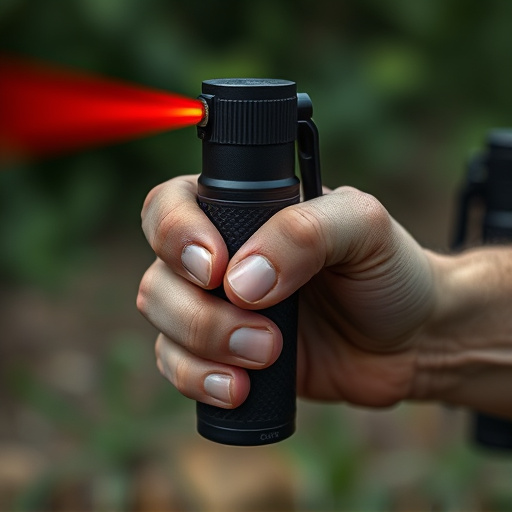
Despite popular belief, pepper spray maintains its effectiveness against attackers in rain due to its active ingredient, capsaicin. Modern water-resistant formulas enhance reliability in moist conditions. While rainfall can distribute spray more evenly, it also dilutes and washes away the active ingredients faster, reducing impact duration. Strategic considerations like waterproof packaging, quick-release mechanisms, and training are crucial for optimal protection in wet climates. Despite legal restrictions, pepper spray remains a powerful self-defense tool when used correctly under various conditions.
“Uncover the power of aerosol spray defense, specifically pepper spray, as a vital non-lethal tool against attackers. This comprehensive guide explores its science-backed effectiveness and unique challenges in wet conditions, where performance can wane. We delve into strategies to enhance protection during rainy encounters, ensuring optimal results.
From understanding the mechanics of pepper spray to navigating legal considerations, this article provides insights for those seeking effective self-defense solutions, especially in adverse weather. Discover how to maximize the potential of pepper spray, even in challenging rain conditions.”
- Understanding Pepper Spray: A Non-Lethal Defense
- The Science Behind Pepper Spray's Effectiveness
- Challenges in Using Pepper Spray in Wet Conditions
- Enhanced Protection: Strategies for Optimal Performance in Rain
- Legal and Safety Considerations for Pepper Spray Use
Understanding Pepper Spray: A Non-Lethal Defense
Pepper spray, a common self-defense tool, has gained popularity for its non-lethal properties, offering individuals a way to protect themselves against attackers. Its primary active ingredient, capsaicin, is derived from chili peppers and triggers a burning sensation in the eyes and respiratory system when sprayed. This temporary disability allows users to escape potentially harmful situations.
One unique aspect often considered is the effectiveness of pepper spray in wet conditions, including rain. Contrary to some beliefs, pepper spray remains potent even in moist environments. The spray’s composition ensures that it quickly penetrates the mucous membranes, making it reliable for self-defense scenarios, regardless of weather. In fact, the water-resistant properties of modern pepper sprays make them suitable for outdoor activities and situations where rain or moisture are concerns.
The Science Behind Pepper Spray's Effectiveness
Pepper spray, a common self-defense tool, works by targeting the eyes and respiratory system of an attacker with capsaicin, the active ingredient derived from chili peppers. This irritant causes a burning sensation, temporary blindness, and difficulty breathing, enabling the user to escape or de-escalate the situation. The effectiveness of pepper spray is well-documented, with studies showing it can stop an attack for several minutes, providing precious time for victims to get away.
Interestingly, the performance of pepper spray in wet conditions, like rain, has been a topic of interest. Contrary to some beliefs, pepper spray retains its potency even in rainfall. The water-soluble nature of capsaicin ensures it remains effective; instead of diluting or washing away the spray, rain can help distribute it more evenly over the attacker’s face and eyes. This is because the liquid form of the irritant coats the skin and mucous membranes, prolonging its impact.
Challenges in Using Pepper Spray in Wet Conditions
Using pepper spray as a defense against attackers can be effective, but it faces unique challenges in wet conditions, particularly during rain. Pepper spray’s primary active ingredient, capsaicin, is oil-based, which means it doesn’t mix well with water. This property, while beneficial for its stickiness and lingering effect on the attacker’s eyes and skin, can reduce its immediate effectiveness when used outdoors or in damp environments. In wet conditions, the spray may dilute faster, leading to a shorter duration of impact and reduced visibility for the assailant.
Additionally, rain can wash away the pepper spray, necessitating more frequent applications. The water can also cause the spray canisters to become slippery, increasing the risk of dropping or misfiring during critical situations. These challenges highlight the importance of considering environmental factors when relying on pepper spray as a self-defense mechanism, especially in regions with frequent rainfall.
Enhanced Protection: Strategies for Optimal Performance in Rain
In adverse weather conditions, such as rain, the effectiveness of pepper spray can be significantly impacted. Water can dilute and disperse the active ingredients, reducing its impact on attackers. However, strategic considerations can enhance its protection. Using water-resistant or waterproof packaging designed to keep the spray dry ensures optimal performance. Additionally, employing quick-release mechanisms allows users to deploy the spray before it gets wet, maximizing its effectiveness.
For ultimate rain protection, pairing pepper spray with other self-defense tools like a stun gun or a tactical flashlight can provide layered defenses. Training in rainy conditions also prepares individuals to use these devices effectively when needed. With proper preparation and equipment, individuals can ensure they maintain their safety and deter potential attackers even in wet environments, leveraging the full Pepper Spray Effectiveness in Rain.
Legal and Safety Considerations for Pepper Spray Use
Using pepper spray as a defense against attackers is a controversial topic, with legal and safety implications that must be carefully considered. While pepper spray has been widely recognized for its effectiveness in deterring assailants, its use comes with stringent regulations to protect public safety and prevent misuse. Many jurisdictions have strict laws governing the possession, carrying, and application of pepper spray, especially for civilians. These laws often require proper training, licensing, or permits, ensuring that individuals using pepper spray are well-versed in its potential consequences and safe handling practices.
In outdoor settings, factors like weather conditions can impact the effectiveness of pepper spray. For instance, the Pepper Spray Effectiveness in Rain is a common concern. Rain can dilute and disperse the spray, potentially reducing its impact on an attacker. However, it’s crucial to remember that even in wet conditions, pepper spray can still disable an assailant by causing temporary blindness, coughing, and difficulty breathing. Proper training teaches users how to account for environmental factors and apply the spray effectively under various circumstances, ensuring its safety and reliability as a self-defense tool.
While pepper spray has proven effective as a non-lethal defense, its performance in wet conditions, particularly regarding the Pepper Spray Effectiveness in Rain, presents challenges. Understanding these limitations and employing strategies like optimal application techniques and suitable storage can significantly enhance its effectiveness. Additionally, legal and safety considerations must be thoroughly understood to ensure responsible use. By addressing these factors, individuals can maximize the reliability of pepper spray as a personal defense tool under diverse conditions.