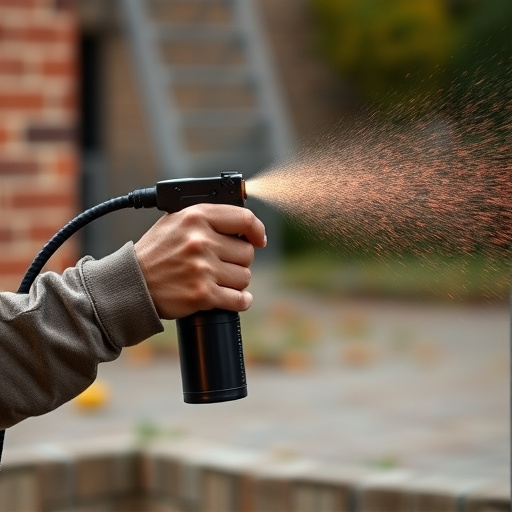
Pepper spray remains an effective defense against bear and other animal attacks in rainy conditions, despite reduced potency due to water. Proper application techniques, like aiming at face and eyes, maximize its impact. Choosing water-resistant cans with wider spray patterns ensures better protection. Balancing portability and coverage, users can enhance pepper spray effectiveness in rain while navigating diverse weather scenarios in bear habitats.
Staying safe while exploring nature is paramount, especially when encountering unpredictable animals like bears. This article delves into the effectiveness of bear spray as a defense mechanism, offering crucial insights for outdoor enthusiasts. We explore the science behind bear spray and its performance under various conditions, including its efficacy in rainy environments. Learn how to choose the right spray and master application techniques for maximum protection. Prepare to navigate nature’s challenges with confidence.
- Understanding Bear Spray: How It Works
- Pepper Spray in Rain: Does It Still Protect?
- Choosing the Right Bear Spray for You
- Application Techniques for Maximum Effectiveness
- Real-World Scenarios: Success Stories and Failures
Understanding Bear Spray: How It Works
Bear spray, also known as pepper spray, is a powerful defense mechanism designed to deter aggressive animals, particularly bears. When used correctly, it can provide valuable time for escape or reassessment in potentially dangerous encounters. The key to its effectiveness lies in the active ingredient—capsaicins, derived from chili peppers. These compounds irritate the animal’s eyes and nasal passages, causing temporary blindness, coughing, and difficulty breathing.
One common concern regarding bear spray is its performance in rainy conditions, as water can reduce its pepper spray effectiveness. However, modern formulations are designed to remain potent even in moist environments. The spray creates a fog that can reach distances of up to 30 feet, ensuring users have a chance to retreat or deter the animal attack. Proper application techniques, such as aiming for the face and eyes, maximize the impact, making bear spray a valuable tool for outdoor enthusiasts navigating bear country.
Pepper Spray in Rain: Does It Still Protect?
Many outdoor enthusiasts and survivalists rely on bear spray as a crucial defense mechanism against potential animal attacks, especially during rainy conditions. When faced with the prospect of using pepper spray in wet environments, a common concern arises: does it still offer the same level of protection?
The effectiveness of pepper spray in rain is influenced by several factors. Water can reduce the concentration and range of the spray, as the active ingredients may dilute more quickly. However, bear spray is designed to be water-resistant, ensuring that at least some of the peppery agent reaches its target. It’s important to note that proper application techniques are vital; spraying directly into the face or eyes of an attacker can still deliver a powerful stun, even in wet conditions. The key lies in understanding that while rain may affect the spray’s performance, it doesn’t necessarily render it ineffective; with awareness and the right approach, individuals can continue to rely on pepper spray as a reliable defense against bear and other animal encounters.
Choosing the Right Bear Spray for You
Choosing the right bear spray is crucial for effective self-defense in bear country. Consider factors like can size, spray pattern, and pepper spray effectiveness in rain. Larger cans offer more protection but might be bulkier, while smaller ones are easier to carry but may have shorter ranges. Spray patterns vary; some sprays create a wide fan, ensuring you cover a larger area, which is useful when bears charge from multiple directions.
When it comes to pepper spray effectiveness in rain, water-resistant cans are ideal. Rain can reduce the spray’s concentration and range, so look for products specifically designed to maintain their potency even in wet conditions. Check labels for claims of prolonged effectiveness against bears, ensuring you have the best defense possible during outdoor activities in bear habitats.
Application Techniques for Maximum Effectiveness
When using bear spray, proper application technique is key to maximizing its effectiveness. Aim for the animal’s face and eyes, as pepper spray is most potent when targeting these sensitive areas. Hold the canister at close range, about 20-30 cm away, and spray in a sweeping motion, covering the entire frontal area. It’s important to remember that wind direction can impact performance, so consider the weather conditions, especially in rainy environments where pepper spray effectiveness in rain may be reduced. Aiming into the wind or upwind can help counteract this, ensuring the spray reaches the target animal directly.
Real-World Scenarios: Success Stories and Failures
In real-world scenarios, pepper spray has proven to be a valuable tool for defense against animal attacks, with numerous success stories documented. In many cases, individuals have successfully deterred predators like bears and cougars by spraying directly into their faces, causing temporary blindness and respiratory distress. This method has saved lives, especially in remote areas where immediate medical assistance might not be readily available.
However, it’s essential to note that failures do occur. Pepper spray effectiveness can be reduced in certain conditions, such as heavy rain or high humidity, where the spray’s impact may be diminished. Additionally, some animals, like grizzly bears, have been known to withstand the effects for longer periods due to their thick fur and robust physiology. These scenarios underscore the importance of understanding the limitations of pepper spray and combining it with other preventive measures, such as making noise while hiking in bear country or carrying a loud whistle for emergency situations.
Bear spray, also known as pepper spray, has proven to be an effective defense against animal attacks, especially in bear encounters. As discussed, understanding its mechanism, choosing the right product for your needs, and learning proper application techniques are key to ensuring its maximum effectiveness. While factors like rain can impact the spray’s performance, specifically regarding Pepper Spray Effectiveness in Rain, users with proper knowledge and equipment can still protect themselves successfully. Real-world scenarios highlight both the potential life-saving power of bear spray and the importance of using it judiciously. By following expert advice and staying informed, individuals can enhance their safety when encountering bears or other wildlife.